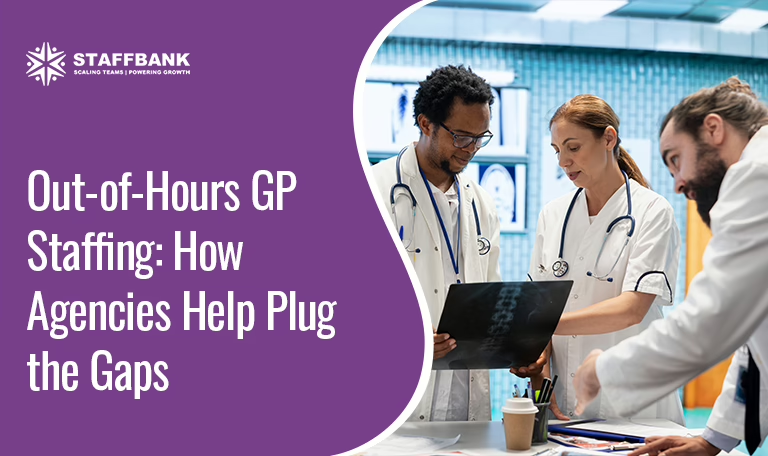
Out-of-Hours GP Staffing: How Agencies Help Plug the Gaps
Out-of-hours (OOH) healthcare services are a critical component of patient care, ensuring medical support is available when regular GP practices are closed. However, increasing patient demand, workforce shortages, burnout, and changing workforce dynamics continue to place immense pressure on healthcare providers.
For healthcare leaders, maintaining safe and efficient out-of-hours coverage is not simply an operational challenge, it is essential for patient outcomes, regulatory compliance, and service continuity. Specialist staffing agencies have emerged as strategic partners, helping organisations bridge workforce gaps while maintaining quality standards.
The Growing Challenge of Out-of-Hours GP Staffing
Healthcare organisations across the UK are facing unprecedented pressures in delivering out-of-hours services.
Key Challenges Include:
- Rising patient demand during evenings, weekends, and bank holidays.
- National shortages of qualified GPs.
- Increased clinician burnout and retention issues.
- Unexpected staff absences and sickness.
- Difficulty recruiting permanent staff for unsociable hours.
- Growing pressure to meet NHS performance targets and quality standards.
Without adequate staffing, organisations risk:
- Longer patient waiting times.
- Increased pressure on emergency departments.
- Reduced continuity of care.
- Higher risks to patient safety.
- Regulatory and reputational concerns.
Why Out-of-Hours Coverage Matters
Effective OOH services play a vital role in the healthcare ecosystem.
Benefits of Reliable GP Coverage
Improved Patient Access
Patients receive timely medical advice and treatment outside standard practice hours.
Reduced Pressure on A&E Departments
Appropriate primary care interventions help divert non-emergency cases away from hospitals.
Enhanced Patient Outcomes
Early intervention prevents conditions from escalating into more serious complications.
Regulatory Compliance
Consistent staffing helps providers meet NHS and Care Quality Commission (CQC) expectations.
Operational Stability
Reliable coverage ensures services continue uninterrupted during peak periods and unforeseen absences.
The Role of Staffing Agencies in Addressing Workforce Gaps
Specialist healthcare staffing agencies provide flexible workforce solutions that enable providers to maintain service continuity.
1. Rapid Access to Qualified GPs
Agencies maintain extensive networks of experienced clinicians available for:
- Evening shifts.
- Overnight sessions.
- Weekend coverage.
- Bank holiday requirements.
- Emergency staffing situations.
This enables organisations to fill vacancies quickly and avoid service disruptions.
2. Flexible Workforce Solutions
Healthcare demand fluctuates throughout the year. Agencies provide scalable staffing models that support:
Short-Term Cover
Ideal for:
- Sickness absence.
- Annual leave.
- Unexpected demand surges.
Long-Term Placements
Suitable for:
- Extended vacancies.
- Maternity leave cover.
- Ongoing workforce shortages.
Ad-Hoc Sessions
Allow organisations to respond quickly to changing operational requirements.
3. Reducing Administrative Burden
Recruitment and workforce management consume valuable time and resources.
Specialist agencies handle:
- Candidate sourcing.
- Credential verification.
- Compliance checks.
- Reference validation.
- DBS screening.
- Shift coordination.
This enables healthcare leaders and operational teams to focus on delivering high-quality patient care.
How Agencies Support Workforce Resilience
Maintaining Service Continuity
Reliable locum GP support helps providers maintain:
- Safe staffing levels.
- Consistent patient access.
- Reduced service disruptions.
- Better workforce planning.
Supporting Permanent Staff
Temporary clinicians can alleviate pressure on existing teams by:
- Preventing staff burnout.
- Reducing overtime requirements.
- Improving morale and retention.
- Creating healthier working environments.
Managing Seasonal Demand
Periods such as winter pressures and bank holidays often lead to increased demand.
Healthcare staffing agencies provide additional capacity during:
- Flu season.
- Public holidays.
- Weekend peaks.
- Unexpected service pressures.
Key Benefits for Healthcare Decision Makers
Cost Efficiency
Strategic use of healthcare staffing agency can help organisations:
- Avoid expensive service disruptions.
- Minimise overtime costs.
- Reduce recruitment expenditure.
- Optimise workforce utilisation.
Faster Response Times
Agencies provide immediate access to clinicians, helping organisations maintain service standards even during unexpected shortages.
Access to a Wider Talent Pool
Healthcare staffing agencies often have established relationships with:
- Experienced locum GPs.
- Urgent care clinicians.
- Advanced practitioners.
- Multi-disciplinary healthcare professionals.
This broad network allows organisations to secure suitable candidates faster.
Compliance and Quality Assurance
Leading agencies ensure clinicians meet essential requirements, including:
- GMC registration.
- DBS clearance.
- Mandatory training.
- Right-to-work checks.
- Professional references.
- Revalidation requirements.
This reduces compliance risks and provides greater confidence for healthcare providers.
Choosing the Right Healthcare Staffing Agency
Not all healthcare staffing partners offer the same level of expertise. Healthcare leaders should evaluate agencies based on:
Industry Experience
Look for agencies with a strong track record in:
- Out-of-hours GP staffing.
Urgent care services.
NHS workforce support.
Speed of Response
Rapid placement capabilities are essential for managing unexpected staffing gaps.
Compliance Standards
Ensure the agency follows rigorous vetting and governance procedures.
Workforce Availability
A broad network of qualified clinicians provides greater flexibility and reliability.
Dedicated Account Management
Strong communication and personalised support contribute to more effective workforce planning.
Future-Proofing Out-of-Hours Services
As workforce pressures continue to evolve, healthcare organisations require more agile staffing strategies. Agency partnerships are increasingly becoming an integral part of workforce resilience, helping providers maintain high standards of care while adapting to changing patient demand.
By combining permanent teams with flexible staffing solutions, organisations can create sustainable models that deliver better outcomes for both patients and clinicians.
Conclusion
Out-of-hours GP staffing remains one of the most pressing challenges facing healthcare providers. Workforce shortages, rising demand, and increasing operational pressures require proactive solutions.
Specialist staffing agencies offer more than temporary cover, they provide healthcare organisations with the flexibility, speed, and workforce resilience needed to ensure uninterrupted patient care.
For healthcare decision makers, partnering with the right agency can be a strategic investment that strengthens service delivery, supports clinical teams, and safeguards patient outcomes in an increasingly demanding healthcare landscape.