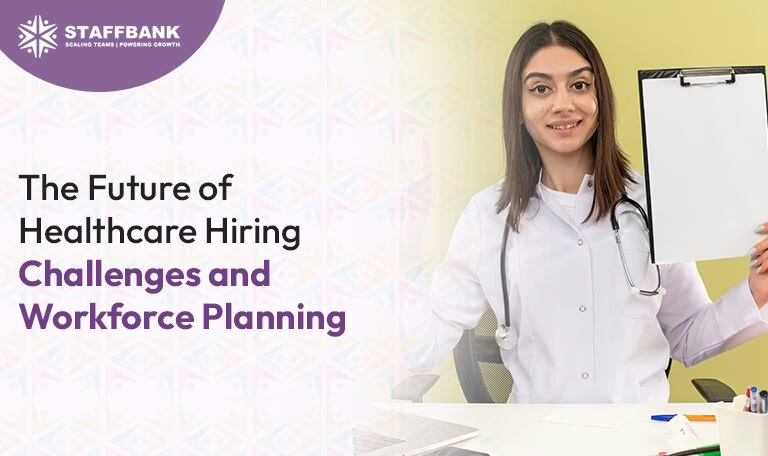
Reduce Time to Hire Healthcare Teams With Better Healthcare Workforce Planning
The healthcare industry is under constant pressure to hire skilled professionals quickly while maintaining quality patient care. Workforce shortages, rising patient demand, employee burnout, and global competition for talent are making recruitment more challenging for hospitals, healthcare systems, clinics, and staffing organizations.
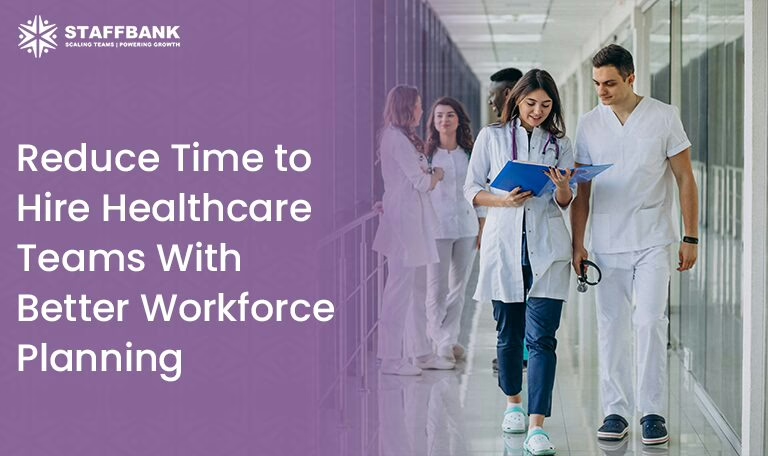
To stay competitive, healthcare organizations need smarter hiring strategies. Strong healthcare workforce planning helps organizations prepare for staffing needs in advance and reduce time to hire healthcare teams more efficiently.
Why Healthcare Workforce Planning Matters
Healthcare recruitment is no longer just an HR function. Workforce planning now plays a direct role in operational stability, patient satisfaction, and financial performance.
Effective healthcare workforce planning helps organizations:
- Anticipate staffing shortages
- Improve hiring speed
- Reduce workforce gaps
- Support employee retention
- Manage workforce costs
- Improve patient care continuity
Organizations with proactive workforce strategies are better prepared to handle changing healthcare demands.
Why Reducing Time to Hire Is Critical
In healthcare, delayed hiring creates immediate operational pressure. Vacant roles often increase workload on existing teams, leading to stress, burnout, and reduced productivity.
Healthcare organizations that successfully reduce time to hire healthcare professionals can:
- Maintain safe staffing levels
- Improve employee morale
- Reduce overtime expenses
- Deliver consistent patient care
- Secure top talent before competitors
Faster recruitment is now essential for long-term workforce stability.
Best Practices for Healthcare Workforce Planning
1. Forecast Workforce Needs Early
Healthcare organizations should use workforce data to predict future staffing requirements instead of reacting only when vacancies arise.
Key Areas to Track
- Employee turnover trends
- Retirement projections
- High-demand specialties
- Patient volume patterns
- Seasonal staffing needs
Early planning reduces last-minute hiring pressure and improves recruitment efficiency.
2. Build a Strong Talent Pipeline
Waiting until positions become vacant slows down recruitment. Healthcare employers should continuously build relationships with potential candidates.
Talent Pipeline Strategies
- Partner with medical and nursing institutions
- Maintain candidate databases
- Attend healthcare hiring events
- Develop internship programs
- Engage passive candidates regularly
A ready talent pipeline helps organizations hire faster during urgent staffing needs.
3. Simplify the Hiring Process
Long and complex recruitment processes often result in losing qualified candidates.
Healthcare companies looking to reduce time to hire healthcare teams should focus on:
- Faster application reviews
- Streamlined interview rounds
- Automated scheduling
- Quick credential verification
- Digital onboarding systems
A smoother hiring process improves candidate experience and accelerates recruitment timelines.
4. Prioritize Employee Retention
Retention is one of the most overlooked areas of workforce planning. Constant turnover increases recruitment costs and disrupts team performance.
Retention Strategies That Work
- Flexible scheduling
- Mental health support
- Career growth opportunities
- Leadership training
- Employee recognition programs
- Balanced workloads
Healthcare organizations with strong retention programs reduce long-term staffing pressure.
5. Use Technology to Improve Recruitment
Technology is helping healthcare recruiters manage hiring more efficiently and accurately.
Helpful Recruitment Technologies
- Applicant tracking systems
- AI-powered resume screening
- Virtual interviews
- Automated onboarding tools
- Workforce management platforms
Technology can reduce administrative delays and improve recruitment speed across healthcare teams.
6. Create Flexible Workforce Models
Healthcare staffing demands can change quickly due to emergencies, patient surges, or seasonal trends.
Flexible Staffing Solutions
- Contract healthcare professionals
- Temporary staffing support
- Travel healthcare workers
- Hybrid administrative teams
- Cross-trained employees
Flexible workforce models improve staffing coverage while reducing recruitment stress.
7. Strengthen Employer Branding
Healthcare professionals today evaluate workplace culture as much as salary and benefits.
Organizations with strong employer branding attract qualified professionals more quickly.
Employer Branding Best Practices
- Promote employee wellbeing initiatives
- Highlight career development programs
- Showcase workplace culture
- Share employee success stories
- Maintain professional online presence
A positive reputation can significantly improve recruitment success.
8. Improve Collaboration Across Departments
Successful workforce planning requires coordination between HR teams, operations leaders, and healthcare management.
Benefits of Cross-Team Collaboration
- Better staffing forecasts
- Faster hiring approvals
- Improved budget planning
- Stronger workforce alignment
- Reduced operational disruptions
Collaboration helps healthcare organizations make faster and smarter staffing decisions.
Preparing for the Future of Healthcare Hiring
Healthcare recruitment will continue evolving due to workforce shortages, digital healthcare expansion, and rising patient expectations.
Healthcare organizations that invest in long-term workforce strategies today will be better positioned to:
- Manage staffing shortages
- Improve employee retention
- Reduce hiring delays
- Support workforce wellbeing
- Maintain quality patient care
Conclusion
Strong healthcare workforce planning is essential for healthcare companies aiming to build stable, efficient, and future-ready teams. Organizations that actively work to reduce time to hire healthcare professionals can improve operational performance, strengthen employee satisfaction, and deliver better patient outcomes.
In a highly competitive healthcare environment, proactive workforce planning is no longer optional, it is a critical strategy for sustainable growth and workforce stability.