Hospital Staffing Shortages and Reducing Recruitment Delays with Healthcare Hiring Bottleneck Solutions
The healthcare industry continues to face growing workforce challenges, making fast and efficient recruitment more important than ever. Hospitals, clinics, and care facilities are under pressure to maintain quality patient care while dealing with increasing demand for skilled healthcare professionals. Unfortunately, slow hiring processes and recruitment inefficiencies often create serious staffing problems.
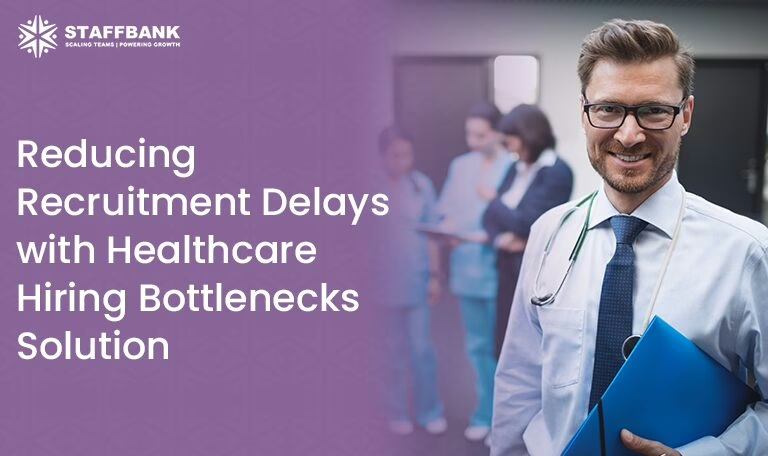
Many healthcare organisations are now searching for an effective healthcare hiring bottlenecks solution to reduce delays, improve recruitment performance, and strengthen workforce stability. By identifying and fixing recruitment bottlenecks, healthcare providers can fill vacancies faster and reduce operational pressure caused by staffing shortages.
Understanding Recruitment Delays in Healthcare
Healthcare recruitment is often more complex than hiring in many other industries. Hospitals and healthcare facilities must manage strict healthcare compliance checks, credential verification, licensing requirements, and workforce planning while competing for skilled professionals in a highly competitive market.
When recruitment processes become slow or disorganised, healthcare employers struggle to hire qualified candidates quickly. These delays can lead to vacant positions remaining open for long periods, putting extra pressure on existing staff members.
As a result, many healthcare providers experience serious hospital staffing shortages, which can impact patient care quality, employee wellbeing, and operational efficiency.
Common Causes of Healthcare Hiring Bottlenecks
1. Slow Candidate Screening Processes
One of the biggest causes of recruitment delays is inefficient candidate screening. Reviewing applications manually and coordinating multiple interview rounds can slow down the hiring timeline significantly.
Healthcare employers that rely on outdated recruitment systems often struggle to identify qualified candidates quickly enough.
2. Credential Verification and Compliance Delays
Healthcare recruitment involves strict compliance procedures, including:
- Professional licence verification
- Background checks
- Right-to-work documentation
- Occupational health clearances
- DBS checks
These essential checks can delay onboarding if processes are not streamlined properly.
3. Limited Recruitment Resources
Many hospitals and healthcare facilities operate with small internal recruitment teams that are already under pressure. High vacancy volumes can overwhelm recruitment departments, slowing communication and decision-making.
4. Poor Candidate Experience
Long response times, unclear communication, and delayed interview scheduling can frustrate candidates and lead to lost talent. In competitive healthcare markets, skilled professionals often accept offers from faster-moving employers.
5. Workforce Planning Gaps
Without proper workforce forecasting, healthcare providers may react too slowly to staffing demands. Poor planning can result in sudden recruitment surges that create bottlenecks across hiring teams.
The Impact of Recruitment Delays on Healthcare Organisations
Recruitment bottlenecks can have serious consequences for healthcare providers. One of the biggest challenges is worsening hospital staffing shortages, which increase pressure on current employees and reduce workforce flexibility.
When staffing gaps continue for long periods, organisations may face:
- Increased overtime expenses
- Higher burnout rates among staff
- Greater dependence on agency workers
- Reduced patient satisfaction
- Delays in healthcare services
- Increased operational costs
In some cases, slow hiring processes can also damage an employer’s reputation, making future recruitment even more difficult.
How Healthcare Hiring Bottlenecks Solutions Improve Recruitment
Healthcare organisations are now investing in modern recruitment strategies and digital hiring tools to solve recruitment delays more effectively.
An effective healthcare hiring bottlenecks solution focuses on streamlining recruitment processes, improving communication, and reducing administrative delays.
1. Faster Candidate Screening
Automated recruitment systems help healthcare employers review applications more efficiently and identify suitable candidates faster. AI-driven applicant tracking systems can also reduce manual workload for recruitment teams.
2. Better Workforce Planning
Using workforce analytics allows healthcare providers to predict staffing demands more accurately. Proactive hiring strategies help organisations avoid last-minute recruitment pressure and reduce vacancy periods.
3. Improved Communication
Clear communication with candidates throughout the hiring process improves engagement and increases offer acceptance rates. Faster scheduling and quicker feedback create a stronger candidate experience.
4. Streamlined Compliance Processes
Digital compliance systems and document management tools can speed up verification procedures, helping candidates move through onboarding more quickly.
5. Recruitment Process Outsourcing (RPO)
Many healthcare providers are partnering with Healthcare RPO companies to manage recruitment more efficiently. RPO providers offer specialist expertise, recruitment technology, and dedicated hiring support that helps healthcare employers fill roles faster.
Strategies to Improve Hospital Recruitment Efficiency
Healthcare organisations that want to reduce delays must focus on long-term recruitment improvements rather than temporary fixes.
Here are some practical ways to improve hospital recruitment efficiency:
1. Build Talent Pipelines
Maintaining active candidate databases allows recruiters to fill vacancies faster when staffing needs arise.
2. Simplify Interview Processes
Reducing unnecessary interview stages can shorten hiring timelines and improve candidate engagement.
3. Invest in Recruitment Technology
Modern recruitment platforms improve candidate tracking, scheduling, communication, and reporting efficiency.
4. Strengthen Employer Branding
Hospitals with strong workplace reputations attract candidates more easily, reducing recruitment challenges.
5. Focus on Employee Retention
Reducing staff turnover decreases the overall pressure on recruitment teams and supports workforce stability.
The Role of Technology in Healthcare Recruitment
Technology is becoming an essential part of healthcare recruitment strategy. AI-powered recruitment tools, workforce analytics, and automation systems help healthcare organisations reduce administrative delays and improve hiring accuracy.
Digital onboarding platforms also help new employees complete paperwork, training, and compliance requirements faster, reducing time-to-hire.
Healthcare employers that embrace digital recruitment solutions are often better prepared to manage future workforce challenges.
Healthcare Hiring Bottleneck Solutions for Hospital Staffing Shortages and Faster Recruitment
Recruitment delays continue to create serious challenges for healthcare providers across the UK. Without an effective healthcare hiring bottlenecks solution, many organisations will continue struggling with ongoing hospital staffing shortages and rising workforce pressure.
By improving recruitment processes, streamlining compliance procedures, and investing in healthcare workforce planning, healthcare employers can significantly improve hospital recruitment efficiency and reduce vacancy periods.
Faster, smarter recruitment not only supports workforce stability but also helps healthcare organisations deliver better patient care, reduce operational stress, and build stronger healthcare teams for the future.