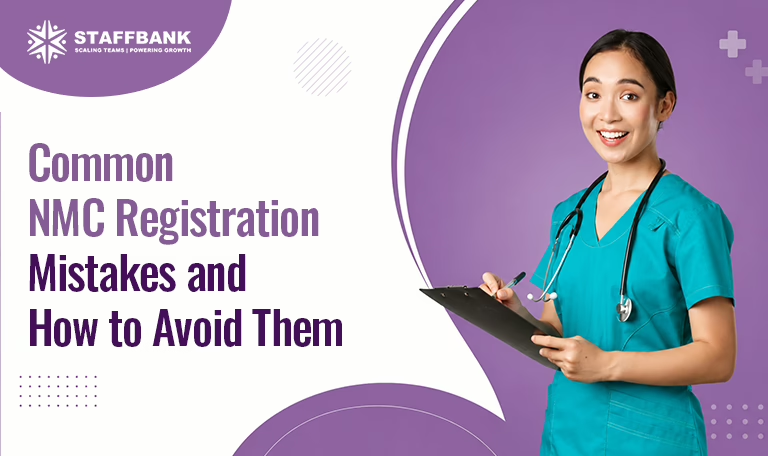
Common NMC Registration Mistakes and How to Avoid Them
For internationally educated nurses, obtaining Nursing and Midwifery Council (NMC) registration is one of the most important steps toward building a nursing career in the UK. While the registration process is designed to ensure patient safety and professional standards, many applicants experience delays because of avoidable mistakes.
Even minor errors in documentation or application details can slow down the process, leading to frustration and postponed employment opportunities. Understanding the most common NMC registration mistakes can help nurses navigate the process more efficiently and improve their chances of a successful application.
Why NMC Registration Matters
The Nursing and Midwifery Council regulates nurses, midwives, and nursing associates in the UK. Before practicing in the UK, international nurses must demonstrate that they meet the NMC’s professional, educational, and language requirements.
NMC registration also plays a critical role in international nurse recruitment, helping UK healthcare employers ensure that overseas candidates meet the standards required to deliver safe patient care.
A complete and accurate application is essential to avoid delays and ensure a smooth transition into the UK healthcare workforce.
Mistake #1: Submitting Incomplete Documentation
One of the most common reasons for delays is missing or incomplete documentation.
Applicants are required to provide various documents, including:
- Proof of identity
- Nursing qualifications
- Professional registration details
- Employment history
- English language test results
Missing information can result in requests for additional evidence, extending the review process.
How to Avoid It
Before submitting your application, create a checklist of all required documents and verify that each document is current, accurate, and clearly scanned.
Mistake #2: Providing Inconsistent Information
Inconsistencies between documents can create verification issues.
Examples include:
- Different spellings of names
- Mismatched dates of employment
- Incorrect registration numbers
- Variations in personal information
Even small discrepancies may require additional verification from the NMC.
How to Avoid It
Review all application details carefully and ensure information matches across passports, educational certificates, professional registrations, and employment records.
Mistake #3: Delays in Employment Verification and References
The NMC often requires verification from employers, educational institutions, and professional regulators.
Many applications are delayed because employment references are incomplete or supporting organizations do not respond promptly to verification requests.
How to Avoid It
Contact previous employers before submitting your application and ensure they are prepared to respond to verification requests. Some healthcare recruiters and specialist providers offer a nurse reference check service to help streamline this process and reduce delays during application reviews.
Mistake #4: Not Meeting English Language Requirements
International nurses must demonstrate English language proficiency through approved pathways such as IELTS or OET unless exempt under NMC rules.
Some applicants:
- Submit expired test results
- Fail to meet minimum score requirements
- Misunderstand eligibility criteria
- How to Avoid It
Review the latest NMC language requirements before scheduling your exam and ensure your results remain valid throughout the application process.
Mistake #5: Poor Preparation for the CBT
The Computer-Based Test (CBT) is an essential part of the NMC registration process for many international applicants.
Some candidates underestimate the exam or fail to familiarize themselves with UK healthcare practices and professional standards.
How to Avoid It
Study the NMC Test of Competence framework, review clinical guidelines, and complete practice assessments before taking the CBT.
Mistake #6: Underestimating the OSCE
After passing the CBT and securing employment, many nurses must complete the Objective Structured Clinical Examination (OSCE).
Common challenges include:
- Lack of familiarity with UK clinical procedures
- Insufficient exam preparation
- Poor understanding of documentation standards
How to Avoid It
Participate in employer-provided training programs, practice clinical scenarios, and review OSCE marking criteria carefully.
Mistake #7: Waiting Too Long to Start the Process
Many nurses delay gathering documents, scheduling exams, or completing verification requirements.
Because the NMC registration process involves multiple stages, delays in one area can affect the entire timeline.
How to Avoid It
Start preparing as early as possible. Collect required documents, schedule language tests, and begin credential verification well before you plan to apply for UK nursing positions.
This is particularly important for nurses involved in cross border nurse recruitment programs, where additional documentation and regulatory checks may be required.
Mistake #8: Ignoring Application Updates and Requests
The NMC may contact applicants for additional information or clarification during the review process.
Failure to respond promptly can lead to significant delays.
How to Avoid It
Regularly monitor your email and NMC account for updates. Respond to requests quickly and provide any additional information as soon as possible.
Mistake #9: Relying on Outdated Information
NMC policies and requirements can change over time. Some applicants rely on advice from friends, social media groups, or outdated online resources.
This can lead to incorrect submissions and avoidable mistakes.
How to Avoid It
Always refer to the official NMC website for the most current guidance and registration requirements.
Mistake #10: Not Seeking Professional Guidance When Needed
The registration process can be complex, particularly for nurses applying from overseas.
Some applicants attempt to navigate every stage independently, which can increase the likelihood of errors.
How to Avoid It
Consider seeking support from an experienced healthcare recruitment partner or an NMC registration support agency that regularly assists international nurses throughout the registration process. Professional guidance can help applicants understand documentation requirements, prepare for assessments, and avoid common administrative mistakes.
Final Tips for a Successful NMC Registration Journey
To maximize your chances of a smooth registration process:
- Review all documents carefully before submission.
- Keep copies of all records.
- Monitor deadlines and expiration dates.
- Stay informed about current NMC requirements.
- Prepare thoroughly for both CBT and OSCE examinations.
- Respond quickly to requests for additional information.
- Maintain regular communication with employers and referees.
Conclusion
NMC registration is a critical milestone for international nurses seeking to work in the UK. While the process can seem complex, many delays result from simple and preventable mistakes.
By preparing documentation carefully, maintaining accurate records, understanding testing requirements, and staying informed throughout the process, nurses can avoid common pitfalls and move more efficiently toward registration and employment.
Whether applying independently or through an international nurse recruitment program, taking a proactive approach can significantly improve the chances of a successful registration outcome and a smooth transition into the UK healthcare workforce.