Strengthening Healthcare Recruitment Compliance Through RPO Solutions
Compliance is one of the most critical aspects of healthcare recruitment. Hiring a candidate with incomplete credentials, expired licenses, or regulatory restrictions can expose healthcare organizations to financial penalties, reputational damage, and patient safety risks.
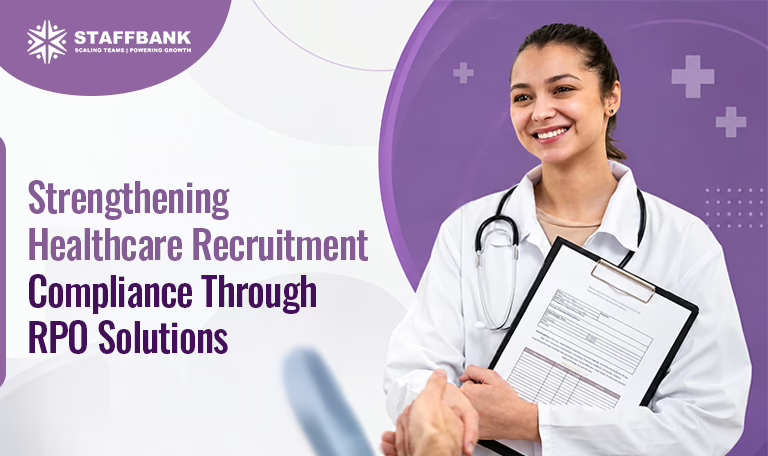
As healthcare regulations become more complex, many organizations are turning to healthcare RPO services not only to improve hiring outcomes but also to strengthen compliance throughout the recruitment process.
Why Compliance Matters in Healthcare Hiring
Healthcare employers operate in a highly regulated environment. Every hire must meet professional, legal, and organizational requirements before they can provide patient care.
Common compliance requirements include:
- Professional license verification
- Credential validation
- Background screening
- Identity verification
- Regulatory sanctions checks
- Workforce documentation management
Failing to meet these requirements can create significant operational and legal risks.
The Compliance Challenges Healthcare Employers Face
Many healthcare organizations struggle to maintain compliance because recruitment processes are often fragmented across HR teams, hiring managers, credentialing departments, and external agencies.
Common challenges include:
- Expired licenses going unnoticed
- Incomplete credential verification
- Inconsistent background screening
- Difficulty tracking compliance documents
- Regulatory changes across multiple jurisdictions
These challenges become even greater when recruiting internationally or hiring at scale.
How Healthcare RPO Services Improve Compliance
1. Credential Verification and License Validation
One of the most important functions of a healthcare RPO provider is ensuring candidates possess the qualifications required for their role.
This includes verifying:
- Professional licenses
- Educational qualifications
- Certifications
- Clinical competencies
- Employment history
According to the Joint Commission, healthcare staffing organizations must maintain rigorous credentialing and qualification verification processes to support patient safety and quality care.
By implementing structured verification procedures, healthcare RPO providers help reduce hiring risks and ensure only qualified professionals enter the workforce.
2. Background Screening and Sanctions Checks
Healthcare employers must ensure candidates are eligible to work within regulated healthcare environments.
Healthcare RPO services typically manage:
- Criminal background checks
- Professional misconduct screening
- Healthcare sanctions checks
- Ongoing compliance monitoring
One of the most important resources used during healthcare screening is the U.S. Department of Health and Human Services Office of Inspector General (OIG) Exclusions Database.
The OIG maintains a list of individuals and entities excluded from participating in federally funded healthcare programs.
Regular sanctions screening helps healthcare organizations avoid compliance violations and potential financial penalties.
3. Ongoing Workforce Monitoring
Compliance does not end after onboarding.
Professional licenses, certifications, and registrations require ongoing monitoring to ensure they remain valid throughout employment.
Healthcare RPO providers often implement systems that:
- Track license expiration dates
- Monitor certification renewals
- Verify ongoing professional registration
- Conduct periodic compliance reviews
This proactive approach reduces the risk of non-compliant healthcare professionals continuing to practice without appropriate credentials.
4. Standardized Recruitment Processes
One of the greatest compliance benefits of healthcare RPO is process consistency.
Rather than relying on multiple recruiters or departments following different procedures, healthcare RPO providers create standardized workflows for:
- Candidate screening
- Documentation collection
- Compliance verification
- Audit preparation
- Employee onboarding
Standardized processes help minimize human error while creating clear audit trails that support regulatory reviews and accreditation requirements.
5. Supporting Accreditation and Quality Standards
Many healthcare organizations work toward accreditation standards that emphasize workforce quality, credentialing, and patient safety.
The Joint Commission’s Health Care Staffing Services Certification program evaluates staffing organizations based on their ability to provide qualified healthcare professionals while maintaining effective compliance and credentialing practices.
Healthcare RPO solution can help employers align recruitment processes with these recognized industry standards, improving readiness for audits and inspections.
6. Managing International Recruitment Compliance
International healthcare recruitment introduces additional compliance requirements.
Healthcare employers may need to verify:
- Foreign educational qualifications
- Professional registration equivalency
- Immigration documentation
- Licensing eligibility
- Country-specific workforce regulations
An experienced healthcare RPO company can coordinate these activities while ensuring candidates meet local licensing and regulatory requirements before placement.
This is particularly valuable for organizations recruiting nurses, physicians, and allied health professionals from overseas talent markets.
The Business Benefits of Compliance-Focused RPO
When compliance is embedded into recruitment processes, healthcare organizations gain benefits beyond risk reduction.
These include:
- Reduced regulatory exposure
- Faster hiring decisions
- Improved audit readiness
- Stronger workforce governance
- Better patient safety outcomes
- Lower administrative burden
Most importantly, a compliant hiring process strengthens trust among patients, regulators, accreditation bodies, and healthcare stakeholders.
Conclusion
Healthcare recruitment is about more than filling vacancies. Employers must ensure every candidate meets professional, regulatory, and compliance requirements before entering the workforce.
Healthcare RPO services support this objective through credential verification, sanctions screening, workforce monitoring, standardized hiring processes, and international recruitment compliance management.
By integrating compliance into every stage of recruitment, healthcare organizations can reduce risk, improve hiring quality, and maintain the workforce standards necessary to deliver safe and effective patient care.