Outsourcing for Small Businesses: Advantages & Disadvantages
Small businesses are continually seeking ways to streamline operations, cut costs, and remain flexible in today’s competitive marketplace. One increasingly popular strategy is outsourcing—delegating specific business functions to external experts. Whether it’s recruitment, IT support, or customer service, outsourcing can be a powerful growth tool when used strategically.
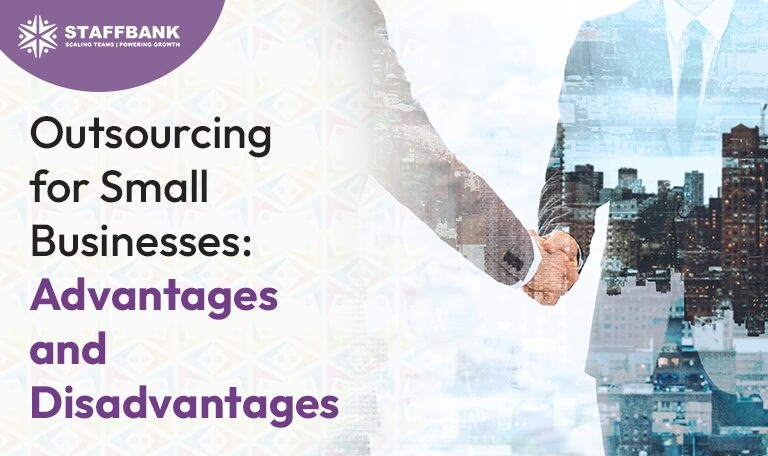
This blog explores the key advantages and disadvantages of outsourcing for small businesses, helping you decide if it’s the right move for your organization.
What is Outsourcing?
Outsourcing involves hiring external service providers to handle certain business tasks instead of managing them in-house. For small businesses with limited resources, outsourcing can provide access to specialized expertise without the overhead costs of full-time employees.
From accounting to HR and recruitment, many businesses in the UK are now turning to outsourcing solutions in UK to streamline their operations and improve efficiency.
Advantages of Outsourcing
- Cost Savings
One of the biggest benefits of outsourcing is cost reduction. Hiring, training, and maintaining in-house staff can be expensive. Outsourcing allows businesses to convert fixed costs into variable costs, paying only for the services they need.
- Access to Expertise
Outsourcing providers are specialists in their fields. Whether it’s recruitment, IT, or digital marketing, you gain access to experienced professionals who bring industry knowledge and best practices.
For example, partnering with an RPO services company in UK enables small businesses to tap into advanced recruitment strategies without building an internal HR team.
- Focus on Core Business Activities
By outsourcing non-core functions, business owners and teams can focus on what they do best—growing the business, improving products, and serving customers.
- Scalability and Flexibility
Outsourcing allows businesses to scale operations up or down based on demand. This flexibility is especially useful for startups and seasonal businesses that experience fluctuating workloads.
- Faster Turnaround Times
External providers often have dedicated teams and streamlined processes, enabling faster delivery of services compared to in-house teams juggling multiple responsibilities.
Disadvantages of Outsourcing
- Loss of Control
When you outsource a function, you relinquish some level of control over how tasks are performed. This can be challenging if the provider’s processes don’t fully align with your expectations.
- Communication Challenges
Working with external teams—especially across different time zones—can lead to communication gaps, misunderstandings, and delays if not managed properly.
- Data Security Risks
Sharing sensitive business information with third-party providers carries inherent risks. It’s crucial to work with trusted partners who follow strict data protection protocols.
- Hidden Costs
While outsourcing can reduce costs, there may be hidden expenses such as contract management, onboarding, or service upgrades that can add up over time.
- Dependency on External Providers
Relying heavily on outsourcing can make your business dependent on third parties. Any disruption in their services could impact your operations.
Is Outsourcing Right for Your Small Business?
Outsourcing isn’t a one-size-fits-all solution. The decision depends on your business goals, budget, and operational needs. For many small businesses, outsourcing—especially in areas like recruitment through RPO services in UK—offers a practical way to scale efficiently without overextending internal resources.
Final Thoughts
Outsourcing can be a game-changer for small businesses when approached strategically. It offers cost savings, flexibility, and access to expertise—but also comes with challenges that require careful management.
The key is to choose the right outsourcing partner, set clear expectations, and maintain open communication. When done right, outsourcing can help your business grow faster, operate smarter, and stay competitive in an ever-evolving market.
If you’re considering outsourcing for your business, evaluating both the advantages and disadvantages will help you make a more informed and confident decision.