How Allied Health Recruitment Agencies Solve Staffing Shortages
Staffing shortages have become a major challenge for healthcare organizations worldwide. Vacant allied health positions can lead to longer patient wait times, increased workloads for existing staff, and reduced service capacity. From physiotherapists and radiographers to occupational therapists and pharmacists, finding qualified professionals is becoming increasingly difficult.
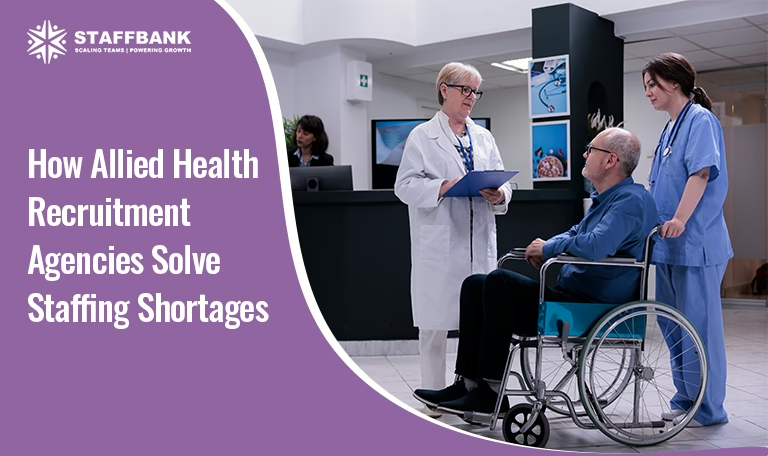
This is where allied health recruitment agencies play a crucial role. By providing access to specialized talent pools and streamlined hiring processes, they help healthcare organizations fill critical vacancies faster and maintain continuity of care.
Why Are Allied Health Staffing Shortages Growing?
Several factors are driving workforce shortages across allied health professions:
- Growing demand for healthcare services
- Aging populations requiring more rehabilitation and diagnostic care
- Limited supply of qualified professionals
- Increased competition for talent
- Staff burnout and retirements
For healthcare providers, these shortages can directly affect patient outcomes and operational efficiency.
How Allied Health Recruitment Agencies Solve the Problem
1. Access to a Larger Talent Pool
Many healthcare employers rely solely on job boards and internal recruitment teams. However, recruitment agencies maintain extensive networks of qualified allied health professionals, including candidates who may not be actively seeking new roles.
This gives employers faster access to:
- Physiotherapists
- Occupational Therapists
- Radiographers
- Sonographers
- Speech and Language Therapists
- Pharmacists
- Biomedical Scientists
2. Faster Hiring Processes
A vacant position can remain open for months if recruitment processes are slow. Allied health recruitment specialists reduce hiring timelines by:
- Pre-screening candidates
- Verifying qualifications
- Conducting initial interviews
- Managing recruitment workflows
This allows healthcare organizations to fill positions more quickly and reduce service disruptions.
3. Expertise in Licensing and Compliance
Allied health recruitment involves more than simply matching candidates to vacancies. Employers must ensure professionals meet registration, licensing, and regulatory requirements.
Specialized recruiters understand these requirements and help organizations avoid costly hiring mistakes by verifying credentials before placement.
4. International Recruitment Support
In many regions, local talent shortages make international recruitment essential.
Recruitment agencies can source qualified professionals globally while assisting with:
- Credential assessments
- Professional registration
- Visa processing
- Relocation support
This significantly expands the available talent pool.
5. Reducing Pressure on Existing Staff
Unfilled vacancies often lead to increased workloads and staff burnout. By filling roles faster, recruitment agencies help healthcare organizations:
- Improve workforce stability
- Reduce overtime demands
- Enhance employee satisfaction
- Maintain patient care standards
- The Long-Term Benefits
Partnering with an allied health recruitment agency doesn’t just solve immediate staffing gaps. It also helps healthcare organizations:
- Build stronger talent pipelines
- Improve retention through better candidate matching
- Reduce recruitment costs
- Enhance workforce planning
- Maintain consistent patient care
Conclusion
Allied health staffing shortages are unlikely to disappear anytime soon, but healthcare organizations don’t have to face them alone. Recruitment agencies provide access to qualified professionals, industry expertise, and efficient hiring processes that help fill vacancies faster and keep services running smoothly.
By partnering with a specialist allied health recruitment agency, healthcare providers can overcome staffing challenges, support their workforce, and continue delivering high-quality patient care without interruption.