Healthcare Workforce Gap Europe: Causes, Challenges, and Recruitment Solutions
Europe’s healthcare sector is facing one of its biggest workforce challenges in decades. Hospitals, care homes, clinics, and healthcare providers across the region are struggling to recruit and retain qualified healthcare professionals. From nurse shortages and physician burnout to an ageing workforce and rising patient demand, the healthcare workforce gap Europe continues to widen.
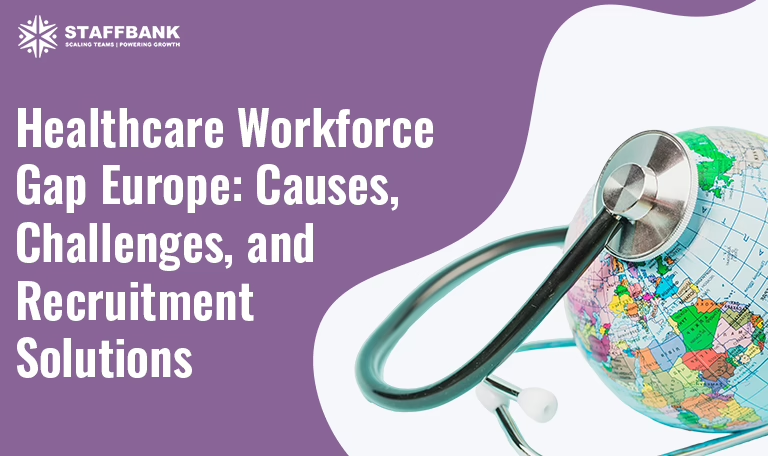
As healthcare systems work to maintain patient care standards, organisations are increasingly exploring smarter recruitment strategies, international hiring, and workforce planning solutions to address long-term staffing shortages.
What is the Healthcare Workforce Gap in Europe?
The healthcare workforce gap refers to the growing imbalance between the demand for healthcare services and the availability of qualified healthcare professionals.
Many European countries are currently experiencing shortages in:
- Registered nurses
- Doctors and specialists
- Allied health professionals
- Care workers
- Mental health professionals
- Emergency and critical care staff
The shortage is affecting both public and private healthcare sectors, creating increased pressure on healthcare systems across Europe.
Major Causes Behind the Healthcare Workforce Gap Europe
1. Ageing Population Across Europe
Europe’s ageing population is increasing demand for healthcare services, long-term care, and chronic disease management.
As more elderly patients require ongoing treatment and medical support, healthcare facilities need larger and more specialised workforces to manage patient demand effectively.
2. Retirement of Healthcare Professionals
A large percentage of Europe’s healthcare workforce is approaching retirement age. Many experienced nurses, doctors, and healthcare specialists are leaving the workforce faster than new professionals can replace them.
This has created significant staffing gaps across hospitals and healthcare facilities.
3. Burnout and Workforce Pressure
Healthcare professionals across Europe continue to experience high levels of stress, burnout, and workload pressure.
Long shifts, staff shortages, and increasing patient volumes have contributed to:
- Higher employee turnover
- Reduced job satisfaction
- Mental health challenges among healthcare workers
- Difficulty retaining experienced professionals
Burnout has become one of the leading contributors to workforce instability in healthcare.
4. Limited Domestic Healthcare Talent Supply
Many countries are not producing enough qualified healthcare graduates to meet growing workforce demands.
Training and education pipelines often struggle to keep pace with increasing healthcare staffing needs, especially in nursing and specialised medical roles.
5. Increased Demand for Specialised Healthcare Services
Healthcare systems now require more specialised professionals in areas such as:
- Critical care
- Elderly care
- Mental health
- Oncology
- Rehabilitation services
- Emergency medicine
Recruiting highly skilled specialists has become increasingly competitive across European healthcare markets.
Challenges Created by the Healthcare Workforce Gap
The healthcare workforce gap Europe is affecting healthcare organisations in several ways.
a) Reduced Patient Care Efficiency
Staff shortages often result in longer patient wait times, delayed treatments, and increased pressure on existing healthcare teams.
b) Increased Recruitment Costs
Healthcare providers are spending more on recruitment campaigns, temporary staffing, overtime, and agency support to fill urgent vacancies.
c) Workforce Burnout and Retention Issues
Understaffed environments place additional pressure on healthcare professionals, increasing the risk of burnout and resignations.
c) Operational Challenges for Hospitals
Healthcare facilities facing staffing shortages often struggle with:
- Workforce scheduling
- Bed management
- Service expansion
- Compliance requirements
- Patient satisfaction targets
Without stable staffing, healthcare operations become harder to manage efficiently.
Recruitment Solutions for Europe’s Healthcare Workforce Gap
While the challenges are significant, healthcare organisations are adopting new workforce strategies to improve recruitment and retention.
1. International Healthcare Recruitment
Many European healthcare providers are expanding international recruitment efforts to access skilled healthcare professionals from overseas markets.
International hiring helps hospitals fill urgent vacancies in nursing, allied health, and specialist medical roles while supporting long-term workforce stability.
2. Healthcare RPO Solutions
Healthcare Recruitment Process Outsourcing (RPO) is becoming a popular solution for hospitals and healthcare systems facing large-scale recruitment challenges.
Healthcare RPO providers support organisations with:
- Talent sourcing
- Workforce planning
- Candidate screening
- International recruitment
- Compliance management
- Onboarding support
This helps healthcare organisations improve hiring efficiency and reduce recruitment pressure on internal HR teams.
3. Employer Branding and Retention Strategies
Healthcare organisations are investing more in employee wellbeing, flexible working models, and career development opportunities to improve retention.
Strong employer branding helps attract qualified healthcare professionals in competitive markets.
4. Workforce Planning and Talent Pipelines
Long-term workforce planning is essential for managing future healthcare staffing demands.
Healthcare providers are focusing on:
- Graduate recruitment programs
- Training partnerships
- Workforce forecasting
- Succession planning
- Leadership development initiatives
These strategies help create more sustainable healthcare workforces.
5. Technology-Driven Recruitment
Healthcare recruitment technology is helping organisations streamline hiring processes and improve candidate experiences.
Modern recruitment solutions include:
- AI-powered candidate sourcing
- Digital onboarding
- Recruitment analytics
- Applicant tracking systems
- Virtual interviews
Technology helps healthcare employers recruit faster and manage workforce planning more effectively.
The Future of Healthcare Staffing in Europe
The healthcare workforce gap Europe is expected to remain a major challenge in the coming years. However, healthcare organisations that invest in proactive recruitment strategies, workforce planning, and employee retention will be better positioned to manage staffing shortages successfully.
International recruitment, Healthcare RPO solutions, and workforce innovation will continue to play a key role in supporting Europe’s healthcare systems.
Conclusion
Europe’s healthcare workforce gap is creating serious challenges for hospitals, clinics, and healthcare providers across the region. Rising patient demand, workforce burnout, retirement trends, and recruitment shortages are placing increasing pressure on healthcare systems.
To address these challenges, healthcare organisations must adopt long-term recruitment and workforce strategies that improve hiring efficiency, support employee retention, and strengthen workforce stability.
By combining international recruitment, healthcare staffing innovation, and smarter workforce planning, healthcare providers across Europe can build stronger and more sustainable healthcare teams for the future.